 Notts County Hub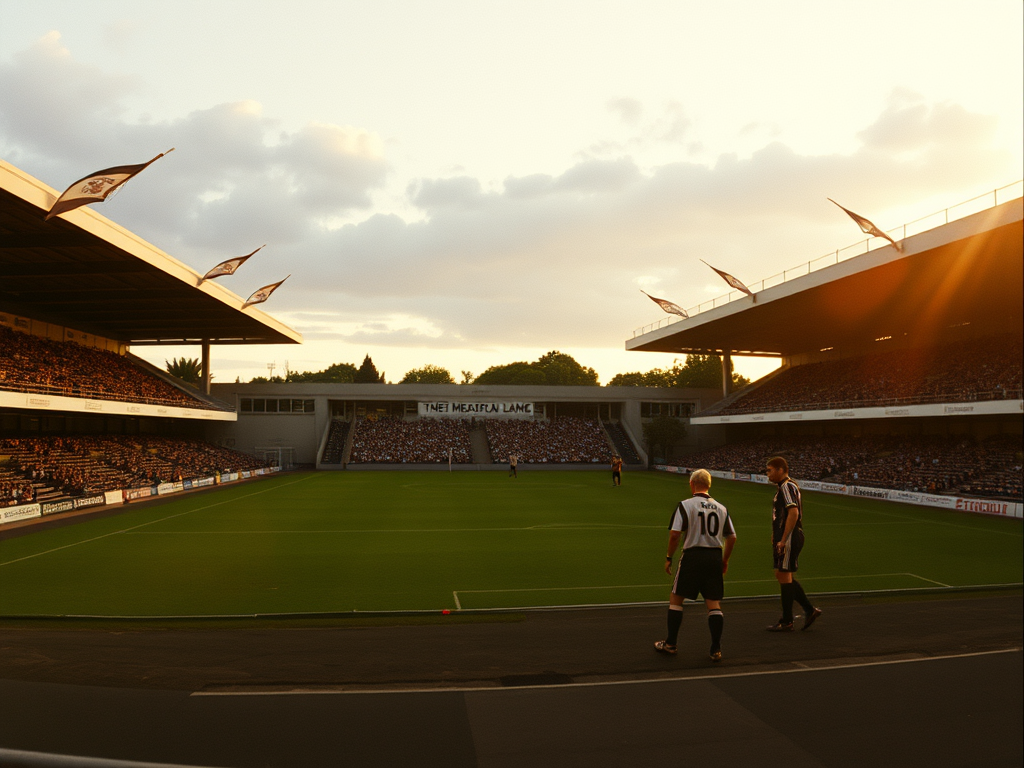
The 1970s: Notts County's Forgotten Glory Days
As we delve into the rich tapestry of Notts County's history, the 1970s stand out as a decade of both challenge and triumph for The Magpies. While many fans remember the club’s more recent escapades, this era often gets overshadowed, yet it was a time that shaped the very identity of the club we know today.
During the early part of the decade, Notts County was competing in the Second Division of English football, a league known for its fierce competition and passionate rivalries. Under the management of the legendary Jimmy Sirrel, the club began to carve out a reputation for itself that would resonate through the years. Sirrel, who took over the managerial reins in 1968, had an innate ability to galvanize his players and instill a sense of belief that would become critical in the years to follow.
One of the highlights of the 1970s came in the form of the club's impressive FA Cup runs. The 1970-71 season saw Notts County reach the quarter-finals, where they faced the mighty Arsenal. This match was played in front of a packed Meadow Lane, and although the team eventually lost, the performance showcased the fighting spirit that has become synonymous with the club. This was a time when cup competitions offered a glimmer of hope for clubs outside the top tier, and Notts County, with its strong home support, provided a formidable challenge to its opponents.
In the following seasons, the club continued to show resilience, bouncing between the Second and Third Divisions. The introduction of key players such as forward Ken Cherrey brought a new dynamic to the squad, and their contributions were vital in securing important victories that kept the club competitive. The fans rallied behind the team, creating an electric atmosphere at Meadow Lane, one that rivaled many of the top clubs in the division.
The late 1970s saw Notts County achieve a significant milestone with their promotion to the Second Division in 1976. This success was celebrated not just as a return to a higher league but as a testament to the club's unwavering spirit. The players, molded by Sirrel’s management, had developed a robust understanding of each other on the pitch, which translated into a cohesive unit that could compete with the best.
Moreover, the decade was notable for the fierce rivalry with Nottingham Forest, which intensified as both clubs fought for supremacy in Nottingham. Matches between the two sides were often thrilling encounters, with fans from both sides packed into the stands, creating a cauldron of noise and passion. These fixtures were more than just games; they were events that captured the hearts of the community, drawing in families and friends alike.
As the 1980s approached, the foundations laid during the 1970s would prove crucial for Notts County. Although the club would face its fair share of ups and downs in the following years, the spirit and resilience that characterized this decade remained a part of the club’s ethos. The Magpies may not have achieved the same level of fame as some of their contemporaries, but their commitment to the game and their fans laid a solid groundwork that continues to resonate within the club today.
In retrospect, the 1970s were a pivotal chapter in Notts County's illustrious history— a decade that saw the emergence of a fighting spirit and a community rallying behind their beloved club. As we look back, it’s vital to remember these moments that shaped the identity of The Magpies and continue to inspire future generations.